
Which underperformers on your team need Expectations clarified for them?
Story
A senior leader was troubled thinking about a key person on his team.
“It’s not that he’s doing a bad job. He’s actually outperforming his predecessor. And he knows it.”
“Then what’s the problem?” our coach asked.
“He’s just… I keep getting complaints about him. People don’t like working with him.”
“What Expectations do you have for him that he might not be clear on?”
“That’s the thing, it’s not about his work performance. He knows and is exceeding the work Expectations. It’s about the way he collaborates.”
“Have you clarified your Expectations for collaboration?”
“I guess I have not. Can I do that?”
“You’re the supervisor. If you don’t, who will?”
Range of Expectations
Our Performance Leadership framework (EMMA) starts with Expectations and that’s where we always encourage leaders to start when looking to improve team performance:
- Expectations
- Motivation
- Measurements
- Accountability
The funny thing is: leaders often self-limit the range of what Expectations can include. They feel, “I can expect this or that of my team, but not this or that.” For example, leaders may have high (though not necessarily clear) expectations about product, but not for process. But really, the process is where most of the work happens. So, we want to encourage leaders to think about the whole range of expectations for their team members.
Here’s the quick test, ask yourself:
- “If I could wave a magic wand and change one thing about this person’s work behavior, what would it be?”
Many leaders have an allergic reaction to that, for example a leader may say: “Well I’d love her desk to be cleaner because it kind of brings down the mood of the office. But that’s none of my business. It would be overstepping to require that of someone when she’s already doing everything in her job description.”
Listen to the related podcast episode below.
From a 3C perspective, we want to challenge the assumptions behind those allergic reactions.
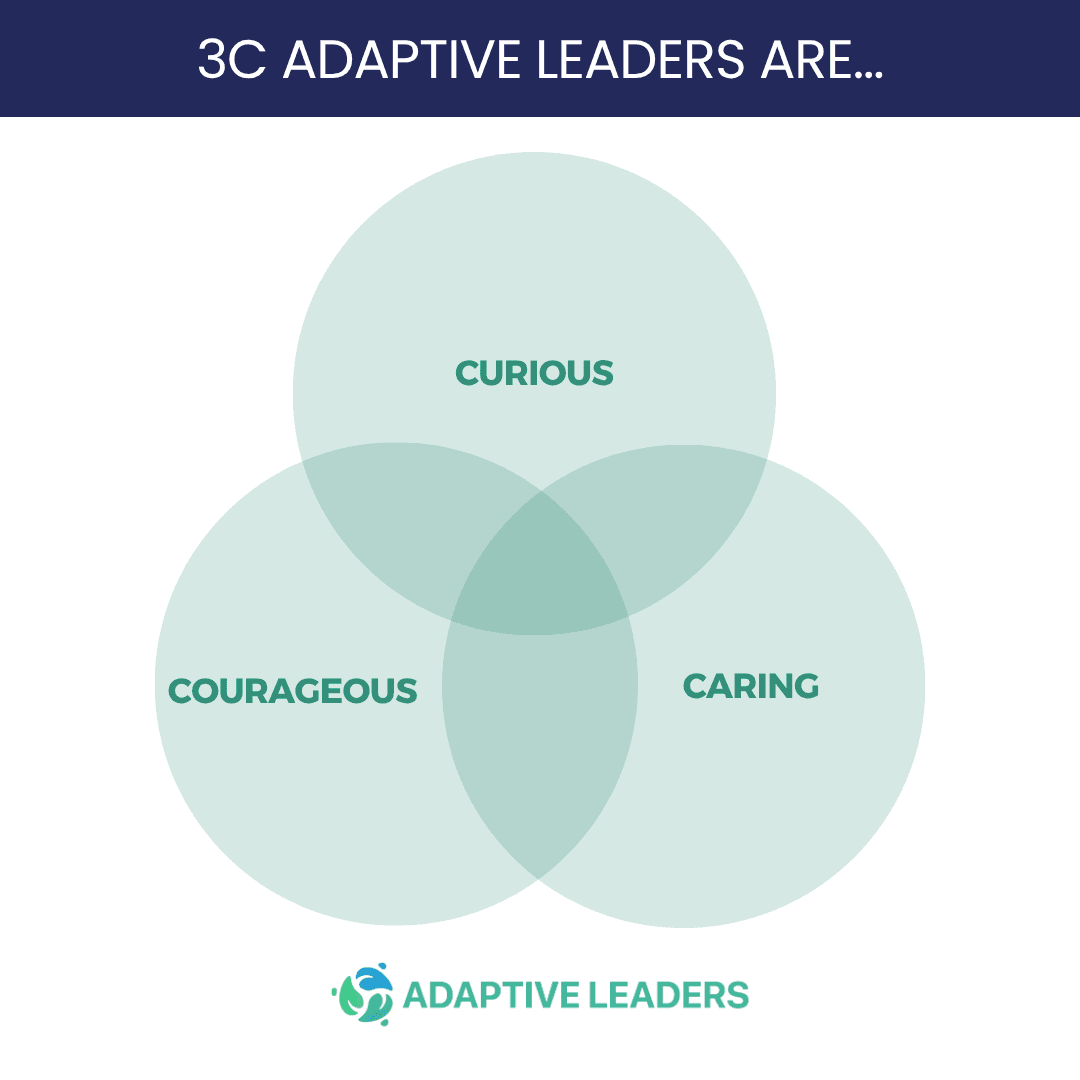
In other words, if you were to really clarify all your Expectations for all your team members, would it require a new level of Curiosity, Courage, or Care for you?
As far as getting work done, we think Expectations can really include anything, even:
- Areas of focus / prioritization (i.e. “Do more of this, less of this.”)
- Behavior norms (i.e. “Act more like this, less like this.”)
- Communication protocols (i.e. “Communicate with me like this, not like this.”)
- Desk and physical space usage (i.e. “Keep your desk looking like this, not like this.”)
- …and more (not necessarily in alphabetical order!)
But if you try to clarify Expectations without the 3Cs, you may run into barriers (internal or external).
Here are some examples of questions to ask yourself when applying the 3Cs to Expectations:
Curiosity
- What do I need to know more about before I clarify my Expectations?
- Who else needs to have input on these Expectations?
- How can I build learning into my Expectations?
- How will clarity about Expectations go against/with organizational norms?
Courage
- What may be holding me back from being more specific with my Expectations?
- What do I lose/risk losing by being 100% clear on what I Expect?
- What’s scary about having this Expectation conversation with ____ (person’s name)?
Care
- What’s the most caring way I can clarify my Expectations?
- How will clarifying my Expectations benefit the other person?
- How will it benefit the organization?
- How will it benefit me?
What about me?
One of the most common issues with clarifying Expectations is when the leader asks:
- “How can I clarify my expectations when I myself am not clear?”
It’s an important point, and you may need to lean into the 3Cs to get clarity on what’s expected of you before you clarify downwards to your team. Often it’s not just about thinking more. You may need input from your supervisor(s) before you can effectively clarify for your team.
If you need to go to your supervisor to get clarity on their Expectations for you, here are a few encouragements:
Be the Example You Want to See
When you talk to your supervisor, ask the sorts of questions and hold the conversation in the way you would LOVE your direct reports to ask you. Of course, you hope it won’t be necessary because you’ll be proactively setting and checking Expectations for your team. But even so, they will eventually have something they need you to clarify. So, keep that at the front of your mind.
It’s a good sign if you’re thinking, “This is the sort of Expectations conversation I would love my direct reports to initiate with me.”
Sympathize with Your Supervisor
Remember how you felt when you wanted to clarify for your direct reports but felt unsure how to do that because you’re not clear. Is it possible your supervisor feels the same? Don’t ask questions you know for sure will stump your supervisor. No one likes that.
Instead, if possible, discuss those issues openly and find workable solutions. Again, this will take all 3Cs in action.
Need vs. Nice to Have
Honestly, it would be great to have 100% clarity from your supervisor (and feel free to forward this article to them), but do you absolutely need it? Prioritize your questions and issues to make the biggest difference in your work. What is the thing you absolutely need clarified (and by when)? What are the things that would help, but are not essential at this point?
By clarifying this with your supervisor, you’re actually clarifying your Expectations for the conversation.
One Final Piece of Advice
The sooner the better. For all of this.
The longer you’re unclear with your team (or your supervisor), the wider the Expectation Gaps will grow. And then the more energy it will take to close them.
Also, the cost of accelerating in the wrong direction is so high, you’re actually serving your organization by spending as much time and effort as necessary to get clear on exactly what’s expected before charging ahead.
Once everyone’s clear, whether they can actually do it or not is another question. That’s why EMMA has 4 parts. But the other three are meaningless if Expectations don’t get enough attention.
What Expectations do you need to Curiously, Courageously, and Caringly clarify today?
Next Steps?
Forward this article to team members (supervisor if you discern that’s a good idea).
Also, feel free to take any images from this article and print, share, save, etc.
Finally, if you’d like to talk about an Adaptive Leader Journey for your team where we do a deep dive into EMMA and the 3Cs to integrate them into daily practice, feel free to book a free 20-minute call with one of our coaches to discuss how we can support you at making your next big breakthrough.
Looking forward to talking to you soon!