What actions are you watching to improve your life?
Sleep Quality
One of our friends, Jaye, recently had a huge upgrade in her sleep quality. She started trying all sorts of things to see what would have the biggest effect:
- No screentime an hour before bed
- Exercise each day
- Darkening the windows
- Facing the sun for 5 minutes right after waking
- Setting the alarm to wake every day at the same time (including weekends)
The result was an amazing improvement in sleep quality, even to her own surprise. But which ones are making the most difference?
Drivers at Home
This is a perfect example of the Measurements element of our Performance Leadership (aka EMMA) framework when used outside work:
- Expectations
- Motivations
- Measurements
- Accountability
We divide Measurements into Drivers (things you can do) and Outcomes (results you want).
Here’s the way Jaye’s sleep example fits, with targets added for each Driver.
| Driver | Driver Target | Outcome |
|---|---|---|
| Screentime within 1 hour of bed | 0 minutes | Improve sleep quality |
| Exercise each day | 25 minutes | |
| Windows darkened with blackout curtains | All | |
| Facing sun each morning within 10 minutes of waking | 5 minutes | |
| Days waking at same time | (ongoing) |
The purpose of Drivers is to give you specific actions you can take (and measure) that will have an effect on the Outcome.
The Outcome is hard to change. There’s no “sleep quality” knob you can twist to the right or left. But there is an alarm clock button you can push, a stopwatch you can time yourself facing the sun, an exercise plan you can follow, and a shelf in the other room where you can put your phone. Those are the things you can actually do, and the result should be improved sleep quality.
Other Drivers at Home
Just to drive this point home a little more, here is a list of common Outcomes that people want in their home life, and possible Drivers they could focus on.
| Driver | Outcome |
| Donuts bought | Save money |
| Messages sent | Replies received to my texts |
| Times I asked a different type of question | Increase depth of conversation with friend |
| Hours away from kids / week doing hobby | Improve wife’s happiness |
| Number of vegetable options offered to kids | Vegetables eaten by kids |
| Donuts bought | Lose weight |
The point is: when you want to change an Outcome (mostly out of your direct control), find one ore more Drivers that you can control, do, and measure.
The key is to correctly link them.
Let’s say you’re trying to get that special someone to reply to your messages. This is definitely an Outcome because you can’t control how much another person replies. You may think the Driver is sending more messages. But let’s just brainstorm: what other Drivers might increase the likelihood of getting a reply?
- Time we spend together offline
- Number of curious questions I ask in my message
- Days between my last phone call and message
- etc.
The most powerful Drivers may be the ones you’re not watching but are equally in your control. Only the 3Cs (Curiosity, Courage, and Care) will help you find which Drivers are the best.
What about Sleep?
We used asked Jaye a Curious question: “Which of those Drivers turned out to be the most important for your sleep quality?” Here’s what she told us:
I did many things that were supposed to help me fall asleep. Taking those actions made me more relaxed about sleep – knowing that there are solutions out there to improve it. However, doing them does not guarantee that I can fall asleep.
A few nights ago, I couldn’t fall asleep, even though I did everything “right.”
When I think about all the nights that I had difficulty falling asleep, I noticed something in common: I desired sleep so much, and wondered whether sleep would come that night. So, if you ask me what one lesson I learnt, I would say: to take sleep less seriously. The harder I try, the harder it is to sleep.
The second thing is to always wake up at the same time and expose my eyes to outdoor light within 10 minutes, which sets my biological clock for the day.
It’s such an amazing reminder:
1. The Drivers don’t guarantee the Outcome.
Most really important Outcomes are difficult (this applies to work and home!). The Drivers make a difference, but there is still going to be some amount of uncontrollability.
2. Focusing on Drivers reduces anxiety.
Especially for something like sleep, reducing anxiety can be a game changer. But even for outcomes that are not directly connected to anxiety (such as getting a reply to a message), focusing on what you can control may open new options to you.
3. Not all Drivers are equal
Jaye said that the last two on our list (facing the sun + morning wake time) made the most difference.
That’s exactly how we want to be using the Measurements element of EMMA at home (and at work): treat it as an experiment, which will require the 3Cs.
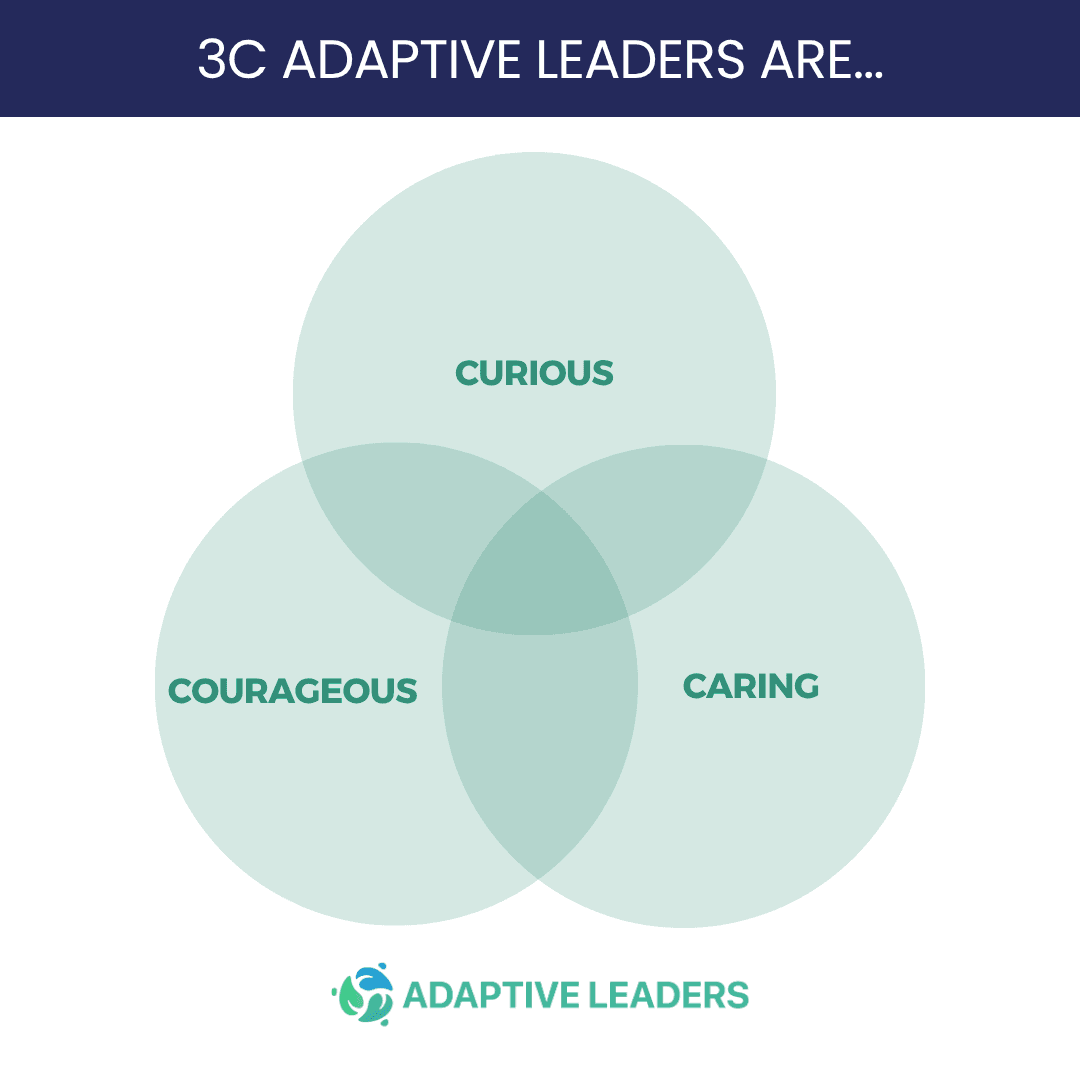
You can use the 3Cs to figure out what you want to focus on measuring to make improvements in your most important outcomes outside work:
- Curiosity to test the link between Drivers and Outcomes.
- Courage to try a new Driver that may not feel natural (I don’t think Jaye was used to closing her eyes and pointing her face at the sun for 10 minutes).
- Care for your friends and family to help them reduce their anxiety and your own by taking control of what you can, and admitting which things you can’t.
Next Steps?
Forward this article to team members (or a friend or family member if you discern that’s a good idea).
Also, feel free to take any images from this article and print, share, save, etc.
Finally, if you’d like to talk about an Adaptive Leader Journey for your team, feel free to book a free 20-minute call with one of our coaches to discuss how we can support you in your next big breakthrough.
Looking forward to talking to you soon!