How does talking about Motivations help relationships outside work?
Motivations While Traveling
Continuing our theme of using our Performance Leadership EMMA framework outside work, let’s see how Motivations can improve communication and alignment at home and with friends.
We’ve probably all had the experience of traveling with someone who seemed like a fun travel buddy at first and then turned out to be… well… different than we expected once we got on the road.
One friend we know got as far as the airport before two of the friend group announced, “I can’t do this. I need to go back.”
“But we all just arrived in the new country.” One friend said pleadingly. “Don’t you want to at least try one night here?”
No they did not. They bought a new ticket and headed home. Everyone felt bad.
On the surface it may look like misaligned Expectations. But actually, friend groups are usually pretty good at that part (but not always!). These friends had aligned on where to go, what to do, and how long the trip would be, etc. The Expectations were pretty well set.
The problem was: these travelers were each highly motivated by something different, and two of them had their main motivator suddenly removed. Once their primary motivation was gone, there was no reason to continue the trip.
What was their motivator?
- Feeling safe
What are Primary Motivations?
Everyone wants to feel safe. That’s a no-brainer. The difference is: for these particular travelers feeling safe was the primary motivator that fueled their engine to go traveling. And that’s how you should think about motivation:
What gets you out of bed each day?
If the primary motivations are gone, then the whole reason for doing the thing is gone. For these two friends, they received a news about the local health situation upon landing and decided the travel wasn’t worth the risk.
The other friends in the group, while also loving to feel safe, were not primarily motivated by that. They were motivated by other things:
- A sense of adventure
- Spending time with people they like in a new place
- Getting a new stamp in their passport
- Etc.
This is a conversation that usually does not happen when friends make big plans together:
“What’s your primary motivation for doing this? What could be taken away that would make you want to cancel the whole thing?”
Usually, friends all have different motivations and are not aware of each other’s until something happens to bring it to the forefront. That’s not necessarily a bad thing, but learning about each others motivations can help deepen relationships beyond the single event or plan that’s happening.
In other words, those two friends may still have decided to go home, but the whole friend group can use this “incident” as a lens to get to know each other at a deeper level by framing the discussion around motivations. Otherwise the conclusion may be too simple: “Those people are not good travel buddies.”
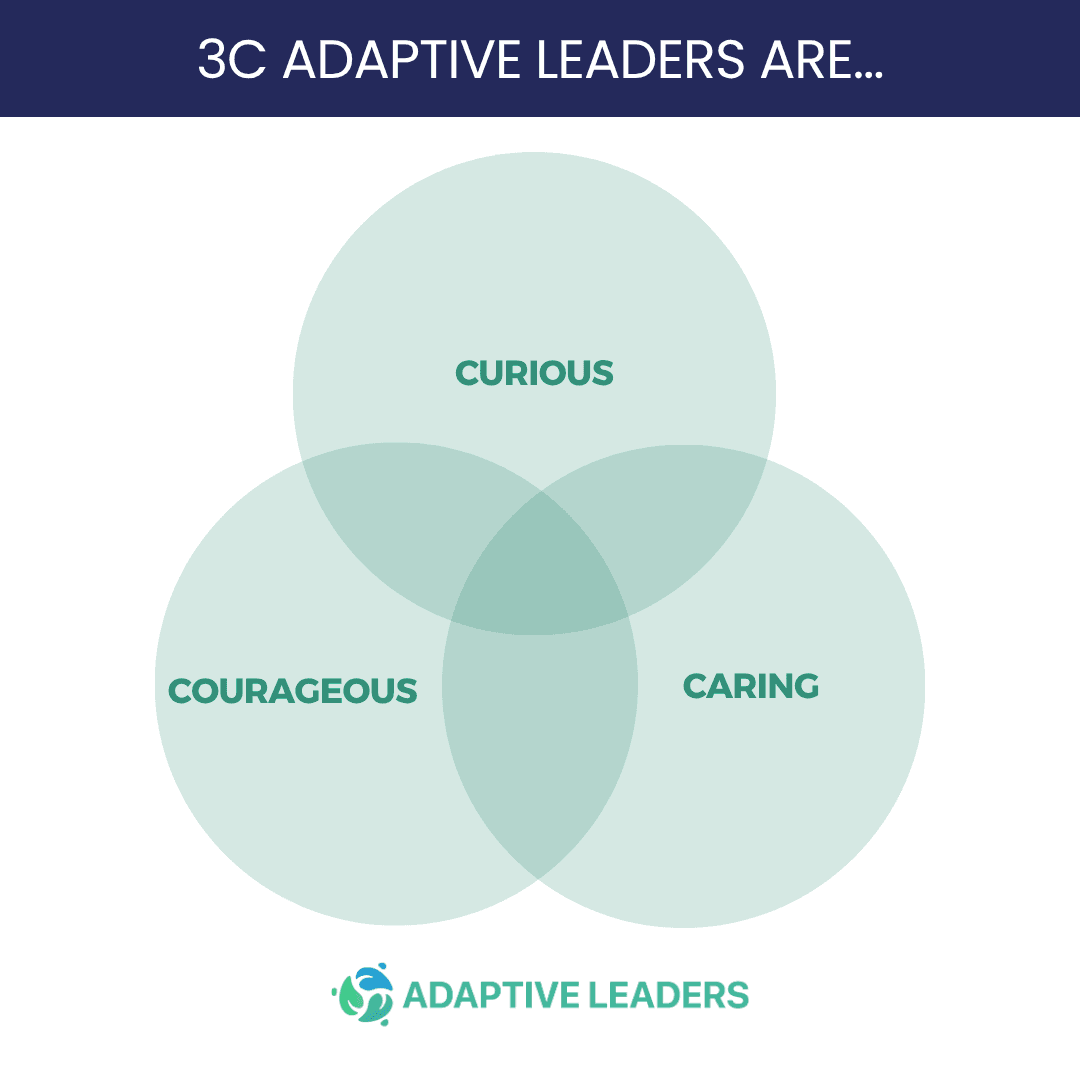
3Cs with Friends
You can use the 3Cs to make plans with friends and proactively discover motivations:
- Curiosity to find out what motivates others (and yourself).
- Courage to navigate motivations that appear in conflict (such as “sense of adventure” and “feeling safe” above).
- Care for your friends to reduce the tension and increase clarity, even at your own expense.
Next Steps?
We have a free Work Motivations Profile you can try to get you thinking about what sorts of motivators and conversations you could have at work (or at home).
Forward this article to team members (or a friend or family member if you discern that’s a good idea).
Also, feel free to take any images from this article and print, share, save, etc.
Finally, if you’d like to talk about an Adaptive Leader Journey for your team, feel free to book a free 20-minute call with one of our coaches to discuss how we can support you in your next big breakthrough.
Looking forward to talking to you soon!